
Tribeca residences
Cobblestone lofts, cast-iron landmarks, and Manhattan's most expensive residential zip code — quietly.
5 represented buildings. 17 residences. 13 available now. $2,750,000–$17,500,000.
§ About Tribeca
The neighborhood
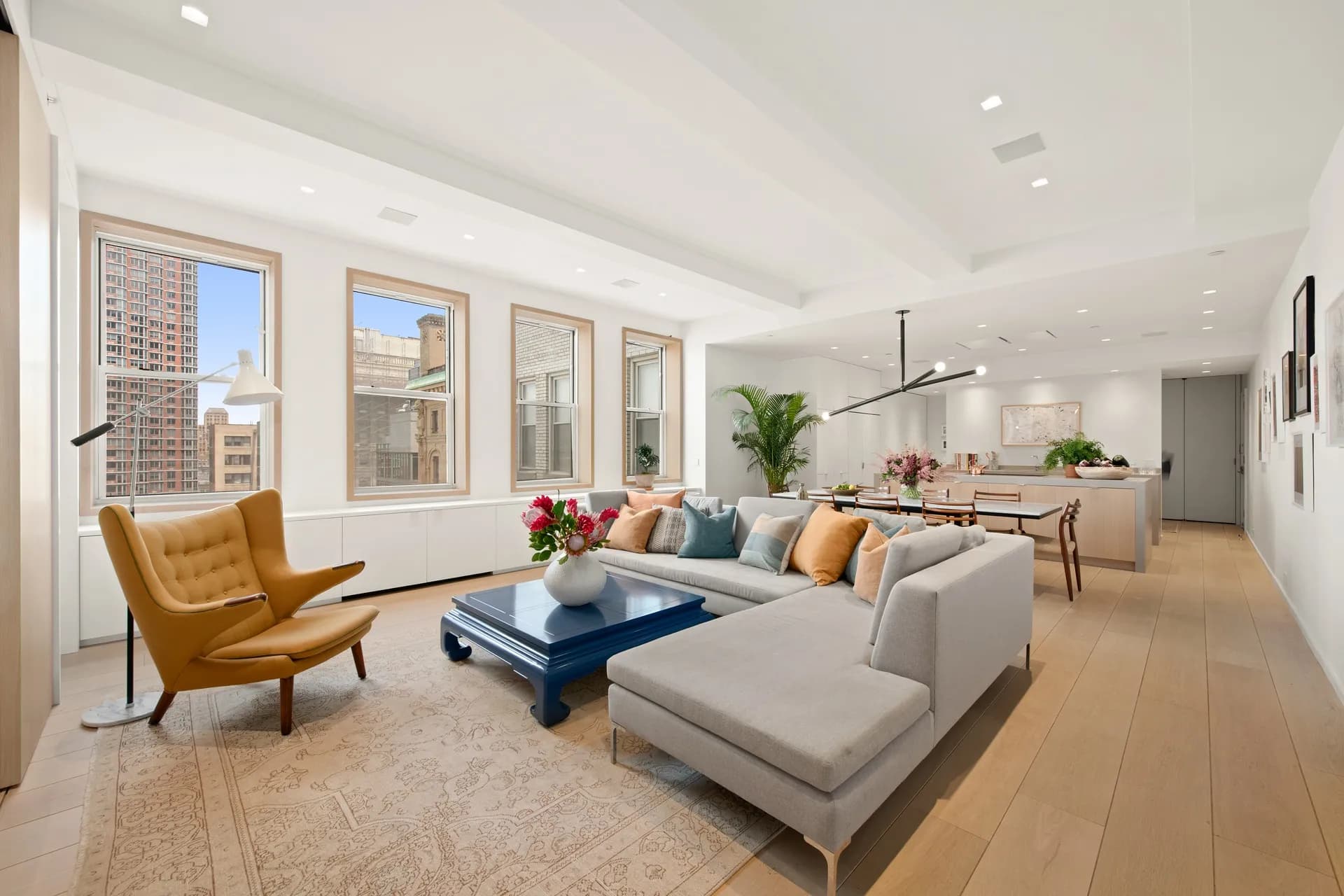
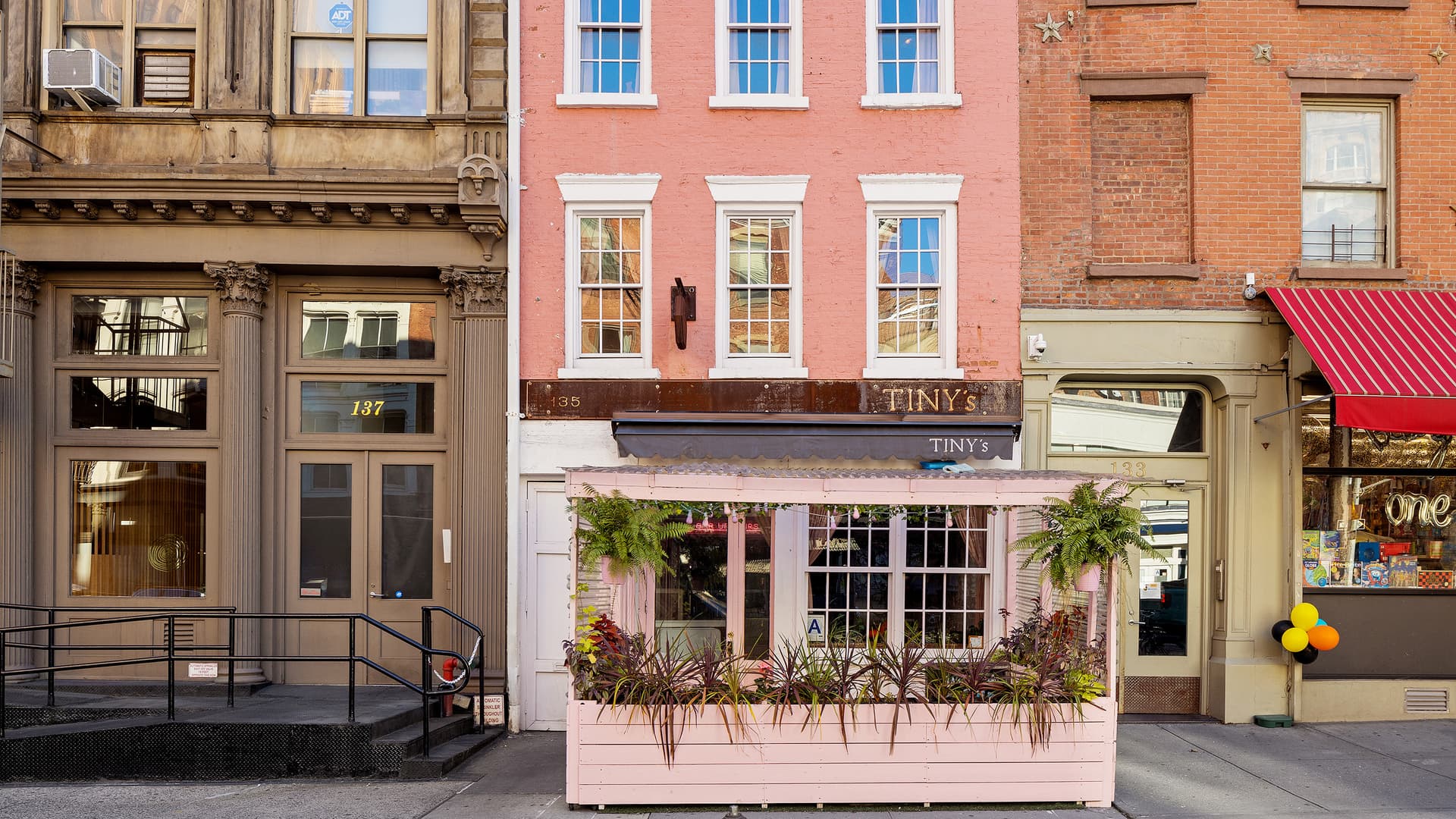
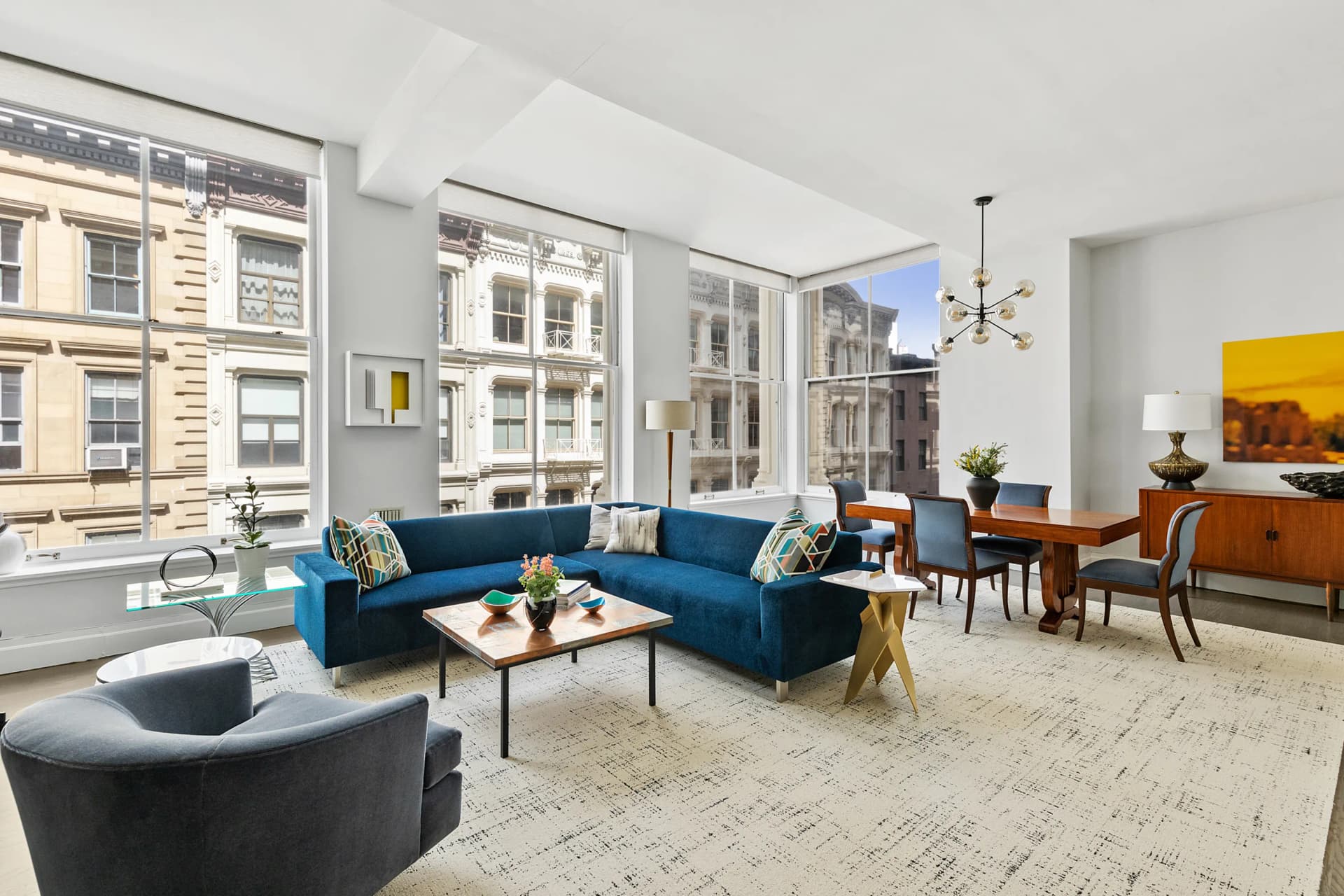
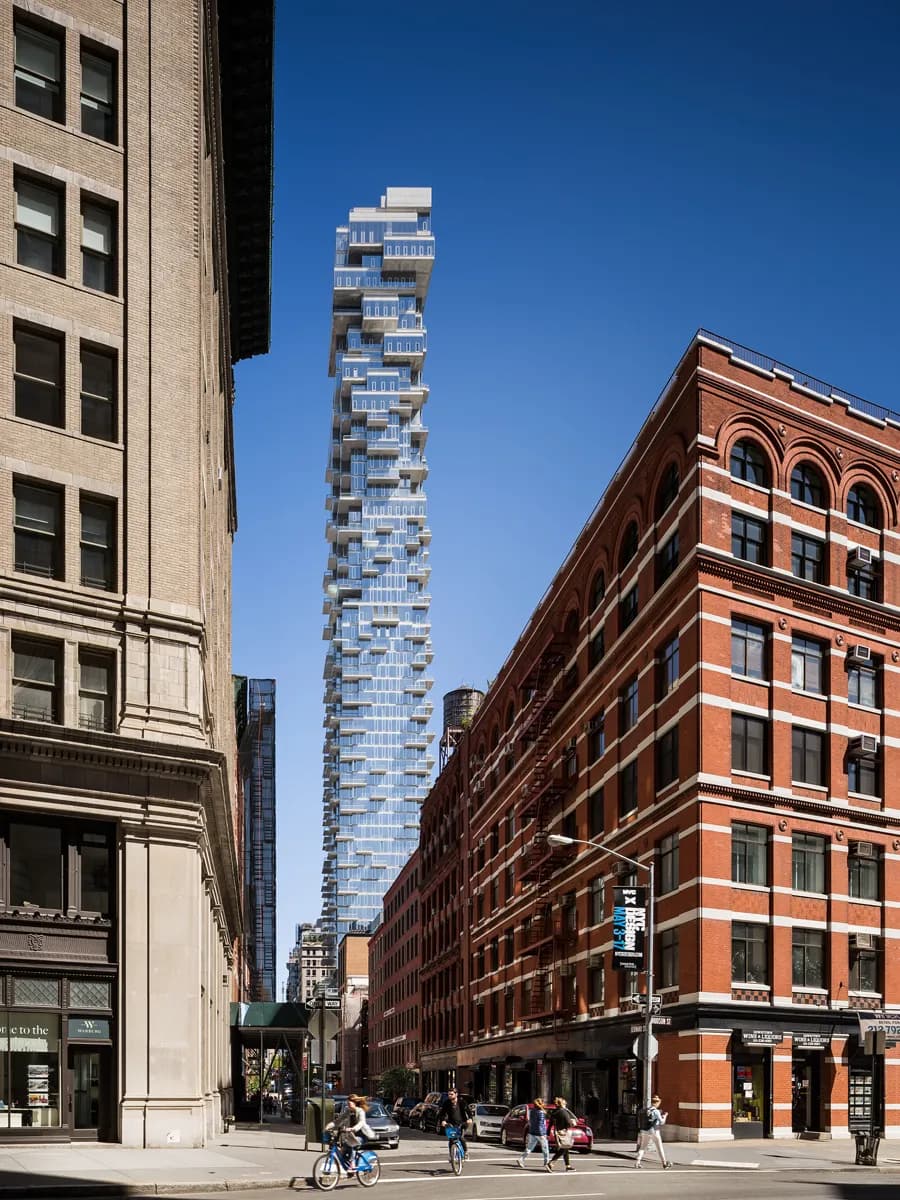
Tribeca — the Triangle Below Canal — covers roughly Chambers Street up to Canal, from Broadway west to the Hudson. It is the converted-loft district that set the template for every neighborhood that followed: industrial buildings from the 1860s–1920s, original cast-iron façades, 12-foot ceilings, and timber-column interiors retrofitted as residences starting in the 1970s.
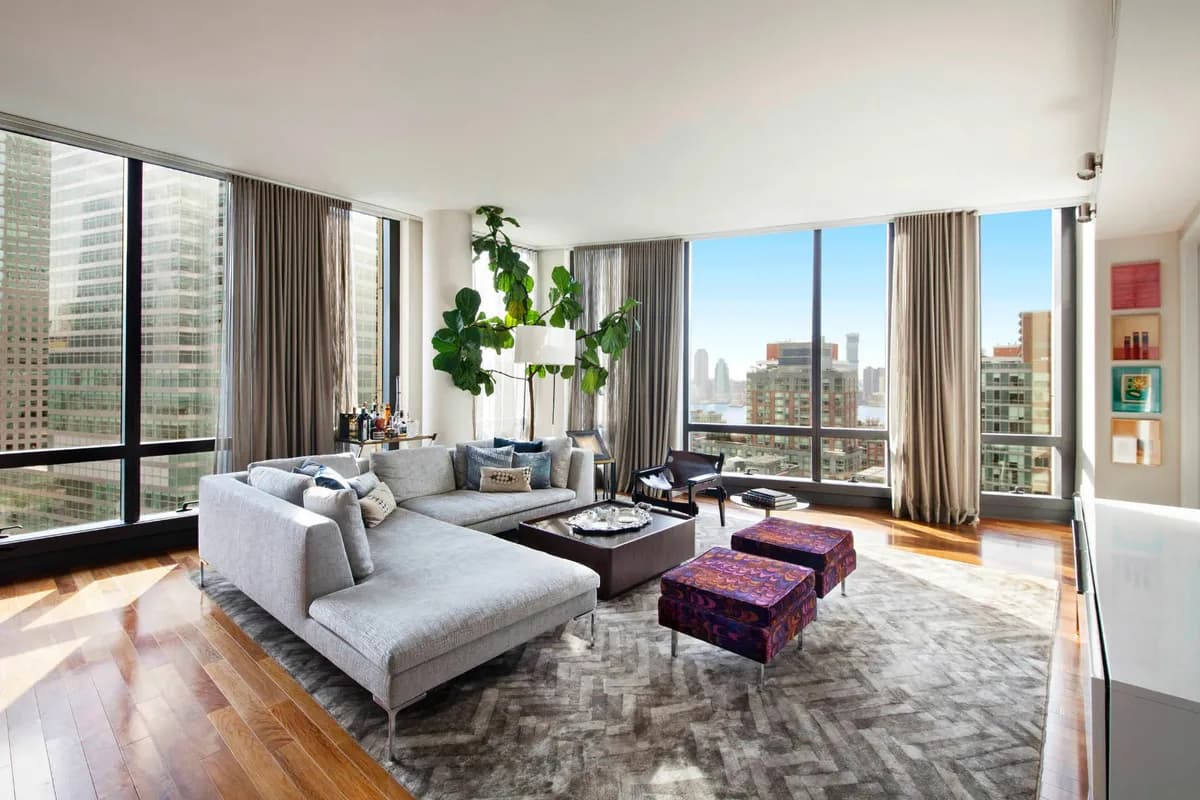
Today Tribeca holds the highest median sale price of any Manhattan neighborhood, with the strongest concentration of full-floor lofts and purpose-built luxury towers (56 Leonard, 30 Park Place, 443 Greenwich). The aesthetic is quieter than Chelsea or the West Village: cobblestone streets, limited retail frontage, and a resident demographic that skews toward finance, creative industries, and long-tenured downtown families. Robert De Niro's Tribeca Film Festival, founded post-9/11, gives the neighborhood its annual cultural spike each spring.
The waterfront at Hudson River Park and the downtown subway hub at Chambers Street — 1/2/3, A/C, 4/5/6 within three blocks — mean residents can reach Midtown in 15 minutes and Brooklyn just as quickly. Stuyvesant High School, Washington Market Park, and PS 150 anchor the family infrastructure.
Transit
- 1 at Franklin/Canal
- 2/3 at Chambers
- A/C at Chambers
- 6 at Canal
Landmarks
- Hudson River Park + Pier 25
- Washington Market Park
- Tribeca Film Festival
- Stuyvesant High School
Character
- Cast-iron loft buildings
- Cobblestone side streets
- Lowest-density retail in Downtown
- Full-floor residences common
Layouts represented
1 bd · 2 bd · 3 bd · 4 bd · 5 bd
§ FAQ
Tribeca questions
- Why is Tribeca so expensive?
- Tribeca's price premium stems from three factors: the scarcity of authentic loft inventory (the original industrial buildings can't be replicated), the quality of new construction in the neighborhood (56 Leonard, 30 Park Place, and peers were built to the highest spec in Manhattan), and the neighborhood's reputation for privacy — celebrities and executives have long sought Tribeca specifically because it has less foot traffic than SoHo or the West Village.
- Is Tribeca a good neighborhood for families?
- Tribeca is one of downtown Manhattan's most family-friendly neighborhoods, with low traffic on interior streets, two well-rated public schools (PS 150 and PS 234), Washington Market Park and Hudson River Park within walking distance of nearly any address, and a tight-knit resident community. Stroller visibility on Greenwich and Hudson Streets is a defining feature of weekend mornings.
- How do you pronounce Tribeca?
- It is pronounced "try-BEH-kah" — the stress falls on the second syllable. The name is a shortening of "Triangle Below Canal."
§ Nearby
Other Manhattan neighborhoods
- Chelsea
Gallery-district brownstones, elevated rail parkland, and design-forward new construction between the Meatpack…
- West Chelsea
The slice of Chelsea west of Tenth Avenue — galleries, the High Line, and the tallest concentration of starchi…
- SoHo
Cast-iron landmark district, global flagship retail, and Manhattan's original artist-loft neighborhood.
- NoHo
Six landmarked blocks of prewar loft conversions between the East Village and SoHo — quieter than both.
- Hudson Yards
Manhattan's newest neighborhood — 28 acres of purpose-built residential, retail, and cultural anchors over the…
- Midtown West
Broadway theaters, Ninth Avenue restaurants, and the densest cluster of new rental towers in Manhattan.